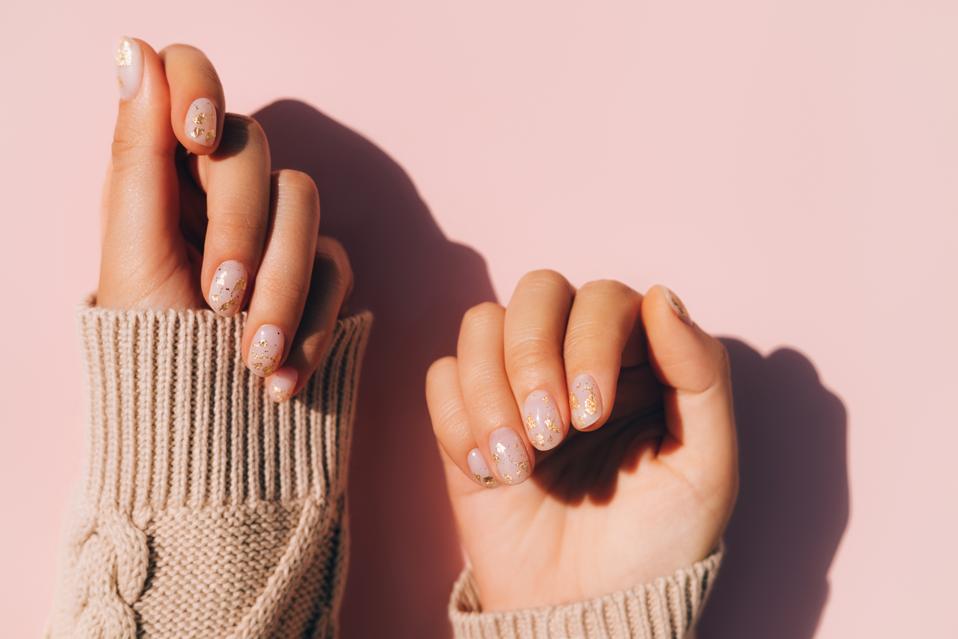
Removing false nail glue requires specific techniques to preserve the health and beauty of your natural nails.
- Gentle methods (soapy water bath, natural oils) are ideal for weak glues and preserve moisture.
- For stubborn glues, acetone remains effective but requires protecting the surrounding skin with petroleum jelly.
- Patience is essential—never force removal, as this can damage the natural nail.
- Intense post-removal hydration with nourishing oils allows for nail regeneration.
False nails bring elegance and fantasy to our hands, but removing them can quickly become a nightmare without the right techniques. Poorly executed removal can weaken the natural nail for weeks. Throughout this article, the nail expert Maryton will share with you the best methods for effectively removing this stubborn glue without compromising the health of your nails.
Gentle Techniques for Removing Glue from False Nails
Step 1: Identify the Type of False Nail Glue
The first crucial step is to identify the type of glue used for your false nails. Cyanoacrylate-based glues, the most common in salons, require specific treatment. For this type of super glue used in salons, you usually need to use acetone.
Step 2: Warm Water Bath to Soften the Glue
A warm, soapy water bath remains the gentlest method to start with. Mix warm water with a few drops of mild soap or dish soap suitable for sensitive skin. Let your fingers soak for 15 to 20 minutes to allow the glue to soften naturally.
Step 3: Homemade Recipe to Break Down Glue Adhesive
If you’re looking for a chemical-free alternative, try this natural recipe: mix two tablespoons of olive oil with a few drops of lemon essential oil. Apply to the edges of your false nails and let it sit for 10 minutes. This gentle but effective method gradually breaks down the adhesive while nourishing your cuticles.
The technique for the strongest glues
For stronger glues, especially acrylic-based ones, use this technique:
1. Lightly file the surface of the false nail to break up the polish
2. Apply cuticle oil around the edges
3. Use a wooden stick to gently lift the edges
4. Continue applying the oil as you go
This acetone-free method for removing false nails preserves natural moisture and significantly limits damage to your natural nails.
Effective solutions with nail polish removers for stubborn glues
When gentle methods aren’t enough, nail polish removers become essential. Acetone remains the most effective product for dissolving glue from false nails, particularly for resin or cyanoacrylate-based glues.
Removing False Nail Glue with Acetone
Here’s how to best use acetone: pour the product into a small container and soak your fingers in it for 15 minutes. Always protect the surrounding skin with petroleum jelly to prevent dryness.
The Foil Technique for Fragile Nails
For people with fragile nails, a good alternative is to use the “foil” technique: soak small cotton pads in acetone, place them on your nails, and wrap each finger in foil for 10 minutes. This method concentrates the action of the remover without exposing your entire hand to the product.
Maintaining the Health of Your Nails During and After Removal
Be Patient When Removing False Nail Glue
The key to successful removal is patience and gentleness. Never forcefully peel off a strong false nail. This common mistake can tear off layers of keratin and significantly weaken your natural nail. If the glue resists after the first soak, repeat the process instead.
Always use a wooden stick to gently lift the edges of the false nail. Metal tools, while tempting for their apparent effectiveness, risk damaging the surface of the natural nail. Even professionals now favor wooden tools to minimize trauma.
Pamper Your Nails After Removing the Glue
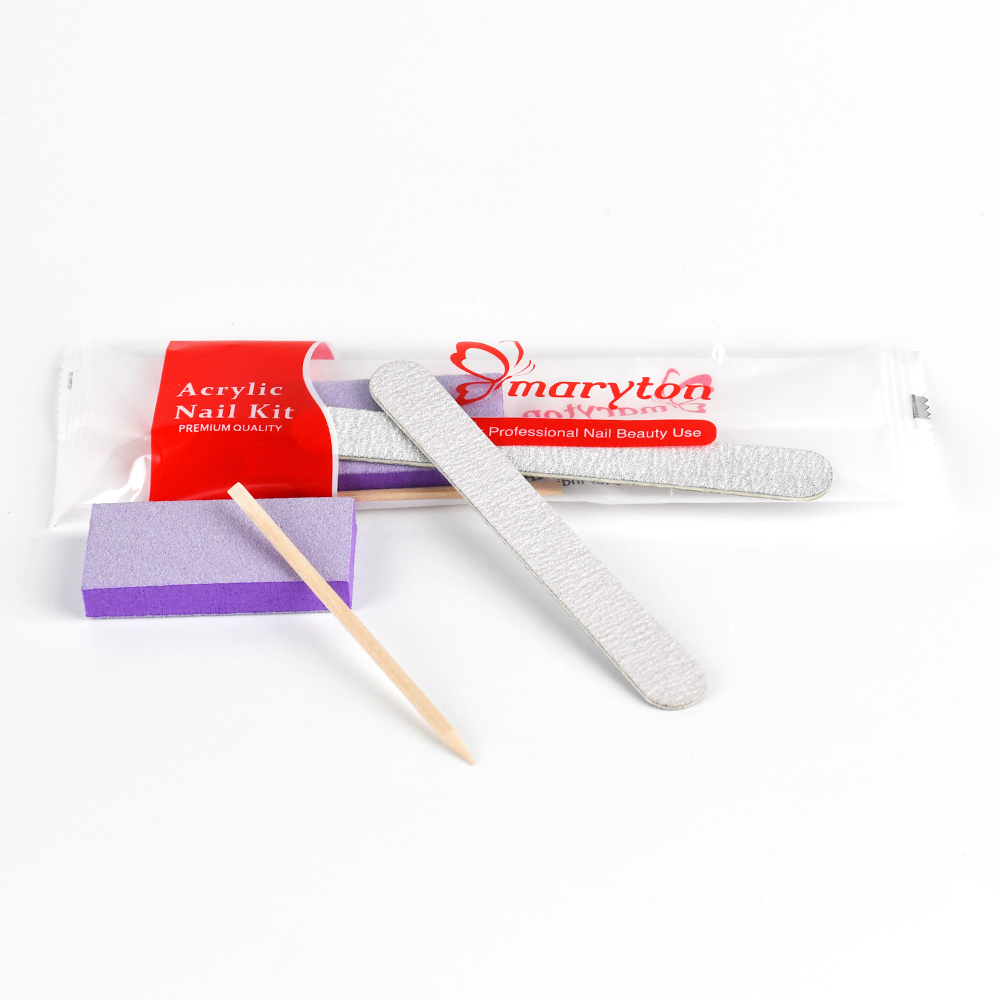
In daily life, pamper your nails with a manicure kit. Massage each nail with a mixture of sweet almond oil and a few drops of tea tree essential oil (which has antifungal properties). Apply this mixture morning and evening for a week to restore natural moisture.
Give your nails at least two weeks between each artificial nail application. This period allows the natural nail to regain its balance and strength. During this recovery phase, apply a strengthening treatment with calcium or silica daily.
The key to consistently beautiful nails lies in striking a balance between artificial embellishment and respecting their natural beauty. By following these tips for properly removing false nail glue, you’ll preserve the health and beauty of your natural nails for the long term.
Read also: The Toe-Twisting Trouble: Understanding and Avoiding Ingrown Toenails

Related Posts