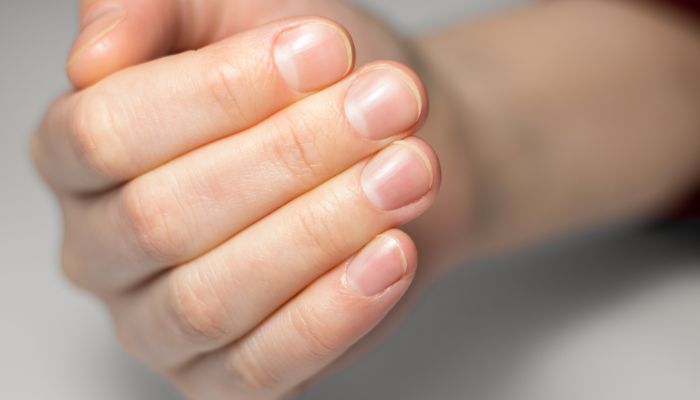
That sharp, throbbing pain in your big toe, especially when you put on shoes? The redness and swelling around the nail edge? Chances are, you’re dealing with an ingrown toenail (onychocryptosis). It’s a common and often painful condition where the corner or side of your toenail, usually on the big toe, curves downward and grows into the soft flesh surrounding it. This invasion causes inflammation, pain, tenderness, and sometimes even infection. But fear not! Understanding why it happens and how proper foot care, especially with a professional pedicure kit, can help you prevent this pesky problem.
Why Does the Nail Go Rogue?
Ingrown toenails don’t just happen randomly. Several common culprits are usually to blame:
1. Improper Nail Trimming: Cutting your toenails too short, or rounding off the corners deeply, encourages the nail to grow into the skin as it regrows. Cutting them in a curved shape instead of straight across is a recipe for trouble.
2. Tight Footwear: Shoes or socks that squeeze your toes together put constant pressure on the nails, forcing them to grow abnormally into the skin. High heels and narrow-toed shoes are frequent offenders.
3. Toe Trauma: Stubbing your toe badly, dropping something heavy on it, or even activities like running or soccer that involve repeated pressure on the toes can damage the nail or the surrounding skin, leading to abnormal growth.
4. Genetics: Some people are simply born with nails that are naturally more curved or prone to becoming ingrown.
5. Poor Foot Hygiene: While not a direct cause, sweaty or unclean feet can soften the skin around the nail, making it easier for the nail to pierce it, especially if combined with other factors.
Your Pedicure Kit: A Weapon Against Ingrown Nails
A basic home pedicure kit isn’t just for polish; it’s a key tool for preventative foot health when used correctly. Here’s how to wield it effectively against ingrown toenails:
1. The Soak: Start by soaking your feet for 10-15 minutes in warm, soapy water. This softens both the nails and the surrounding skin, making them easier and safer to work with. Dry your feet thoroughly afterwards.
2. The Right Cut: Using the nail clippers, trim your nails straight across. Do not curve down at the sides. Leave the nail slightly longer than the tip of your toe – you should be able to just get a fingernail underneath the front edge. Avoid cutting them too short.
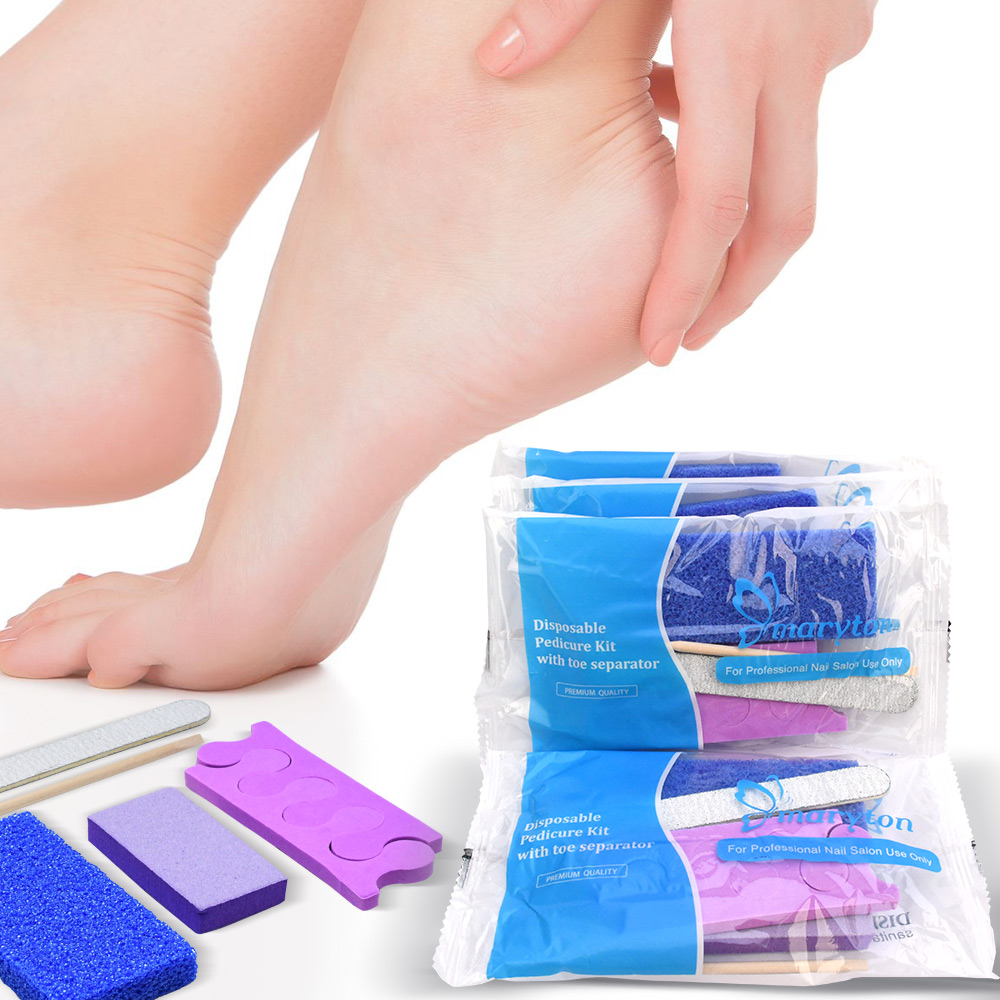
3. Smooth, Don’t Dig: Use the kit’s nail file or emery board to gently smooth any sharp or jagged edges left after clipping. File in one direction. Crucially, do NOT use the file to dig down into the corners or sides of the nail groove. This can create tiny injuries and encourage ingrowth.
4. Gentle Cleaning: You can use the kit’s cuticle pusher gently and flatly to push back any overgrown cuticle tissue away from the nail plate after soaking. Do not cut or aggressively trim cuticles around the nail sides, as this removes a protective barrier and increases ingrown risk.
5. Moisturize: Apply a good foot moisturizer to keep the skin supple, but avoid slathering thick cream deep into the grooves beside the nails, as excessive moisture there can sometimes soften the skin too much.
Staying Ahead of the Curve: Prevention is Key
Combining smart pedicure practices with these habits significantly reduces your risk:
- Master the Straight Cut: Always, always trim straight across. This is non-negotiable.
- Length Matters: Keep nails at a moderate length – just beyond the toe tip.
- Footwear Freedom: Choose shoes with a wide, deep toe box that allows your toes to wiggle freely without pressure. Avoid chronically tight shoes and socks.
- Protect Your Toes: Wear protective footwear during activities where your toes might get injured.
- Keep Feet Clean & Dry: Wash feet daily and dry thoroughly, especially between the toes. Change socks regularly, especially if your feet sweat a lot.
- Inspect Regularly: Pay attention to early signs of redness, tenderness, or swelling at the nail edges. Early action prevents worse problems.
- Skip the DIY Surgery: If you feel the nail digging in, do not try to cut a “V” in the nail or dig out the corner yourself. This usually makes it worse. See a podiatrist or doctor.
When Home Care Isn’t Enough
If you already have a painful, red, swollen, or pus-draining ingrown toenail, especially if there are signs of infection (increasing redness, warmth, throbbing pain), it’s time to see a healthcare professional (doctor or podiatrist). They can safely remove the ingrown portion and treat any infection. Don’t delay, as infections can spread.
By understanding what causes ingrown toenails and using your pedicure kit wisely – focusing on straight cuts, gentle cleaning, and avoiding trauma to the nail grooves – you can keep your feet comfortable and free from this common, painful nuisance. Remember, healthy toenail care is simple: cut straight, leave a little length, and give your toes room to breathe!

Related Posts